Protecting Addis Ababa homes & businesses since 2005info@abyssiniapestcontrol.com

Pest identification & control

Know what's
behind the sighting.

Cockroaches are not all alike. Knowing which species is present, where it shelters and what draws it inside helps us build a more considered plan for your home or business.

Talk to a pest specialist
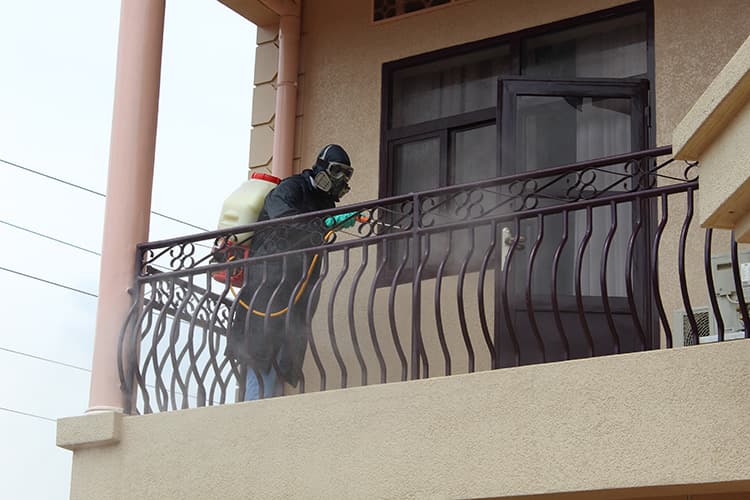
An Abyssinia Pest Control technician treating a building exterior
Look beyond the sighting.Treat the source.
01 — 06
species guide

Start with the right identification

One pest name.
Many different behaviours.

Cockroaches are insects in the order Blattaria. Some live outdoors and help break down decaying organic material; others adapt readily to buildings and become pests. The species found in homes and restaurants may frequent rubbish, drains or food preparation areas, where they can contaminate food and surfaces.

A useful inspection looks at more than a single insect. The species, available water and food, shelter and ways into the property all help explain why activity is happening—and how best to address it.

Small signs can point to a bigger source.Check warm, humid rooms, damp spaces and the routes around plumbing.
A closer look

Six cockroaches.
Six different stories.

The same response does not suit every species. These are some of the cockroaches covered by our pest-control expertise.

G01

German cockroach

Blattella germanica

A small, well-known indoor cockroach. It can hide in narrow gaps and arrive in bags, boxes or other infested items. In apartment buildings, shared pipes and plumbing can provide routes between units.

Warm, humid kitchens, bathrooms and laundry areas
A02

American cockroach

Periplaneta americana

Often found outdoors in warm, damp places such as flowerbeds and mulch. It may enter in search of food or water, slipping under a damaged door seal or through a basement window or garage.

Outdoor harbourage; bathrooms, kitchens, laundry rooms and basements
S03

Smokybrown cockroach

Periplaneta fuliginosa

A large outdoor species associated with wooded, humid surroundings. It may also be found around rubbish and sewers, and can seek shelter inside buildings.

Humid areas around trees, rubbish and sewers
B04

Brown-banded cockroach

Supella longipalpa

Prefers warm conditions and may be carried indoors in furniture, groceries, food products or electronics. It feeds on pantry goods and household fabrics; infestations may contaminate food-preparation surfaces and aggravate allergies or asthma.

Warm living areas with food and places to hide
O05

Oriental cockroach

Blatta orientalis

Favours damp, dark, sheltered spaces. It can travel via drains and pipes, and may live near rarely used sink drains, rubbish disposals or plumbing voids. Leaking pipes and damp conditions can attract it.

Basements, drains, under sinks and around plumbing
M06

Madagascar hissing cockroach

Gromphadorhina portentosa

A distinctive, larger species that can shelter in surprisingly narrow spaces and climb well. A sighting indoors may be an escaped pet, so identifying the insect matters before choosing a response.

Narrow crevices; occasionally introduced as a pet

What to look for

Notice the signs.
Then find the pattern.

Cockroaches are often hidden. An unusual smell, droppings or shed skins can help reveal where activity is taking place.

01

A lingering, unusual smell

An established infestation can leave a persistent, unpleasant odour on surfaces and items where cockroaches have been.

02

Small droppings

When water is scarce, droppings may appear as small brown or black cylinders, around 2 mm long.

03

Dark smear marks

When water is available, irregular brown marks may show along horizontal surfaces and wall–floor junctions.

04

Shed skins and activity

Cockroaches shed their skins five to eight times as they mature. Look near hiding places, especially in warm, humid or damp areas.

Where to check

Warm, humid kitchens and bathrooms may harbour German cockroaches. Cooler, damp basements and drains can suit Oriental cockroaches.

Our cockroach-control approach

Get to the source.
Then keep it that way.

Baits or sprays alone can miss the places cockroaches breed, hide and travel. Abyssinia Pest Control combines careful inspection with source-focused treatments, prevention and follow-up where needed.

Request help with cockroaches
01

Identify the species

Pinpoint the cockroach and understand its preferred habitat, activity and entry routes.

02

Inspect the source

Look around food and water, plumbing, shelter, cracks and likely routes through the property.

03

Target and prevent

Treat the relevant breeding and harbourage areas, and address access or conditions that invite pests.

04

Review and follow up

When needed, revisit and adapt the maintenance plan to progress and new activity.

Common questions

Clear answers.
Better next steps.

Not sure where to start? Tell our team what you have noticed and where.

Speak with our team
01Why does identifying the cockroach species matter?

Different species prefer different places, foods and routes into a building. Recognising the species helps direct an inspection towards its likely harbourage and entry points.

02Where should I look for signs?

Check kitchens, bathrooms and laundry areas for German cockroach activity. Oriental cockroaches are more at home around damp basements, drains and plumbing. Also look for droppings, smear marks and shed skins.

03Will spraying alone solve the problem?

A treatment is more effective when the source is addressed too. Abyssinia Pest Control focuses on breeding and harbourage areas, entry points and the routes cockroaches use, alongside suitable prevention and follow-up.

04Do you help homes, hotels and restaurants?

Yes. The team offers pest-control services for homes and commercial premises, including hospitality settings. The inspection and prevention plan is tailored to the property.

Let's take a closer look

See a cockroach?
Let's find the reason.

Talk to Abyssinia Pest Control